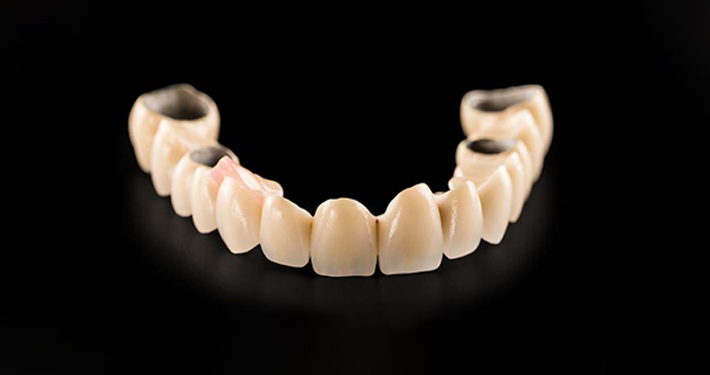
Porcelain Veneers
Porcelain veneers are ideal for a bright and radiant smile. This application, which does not require completely cutting and covering the tooth, saves time and eliminates the need for braces in some cases. A thin porcelain layer is prepared in the laboratory after taking a mold and is adhered to the visible front surface of the tooth. Only minimal preparation is done on the front surface of the tooth, preserving the natural tooth structure. Veneers provide a very natural appearance, ensuring the permanent aesthetic smile you desire.
Read More
Composite Laminate
Like porcelain veneers, only a small amount of preparation is done on the front surface of the tooth. Without taking a mold, minor color, shape, and position irregularities can be corrected directly in the mouth using tooth-colored composite filling material. This method, which is completed in a much shorter time (a single session) and is much more affordable than porcelain veneers, requires an average of 20-30 minutes per tooth and provides immediate results.
Read More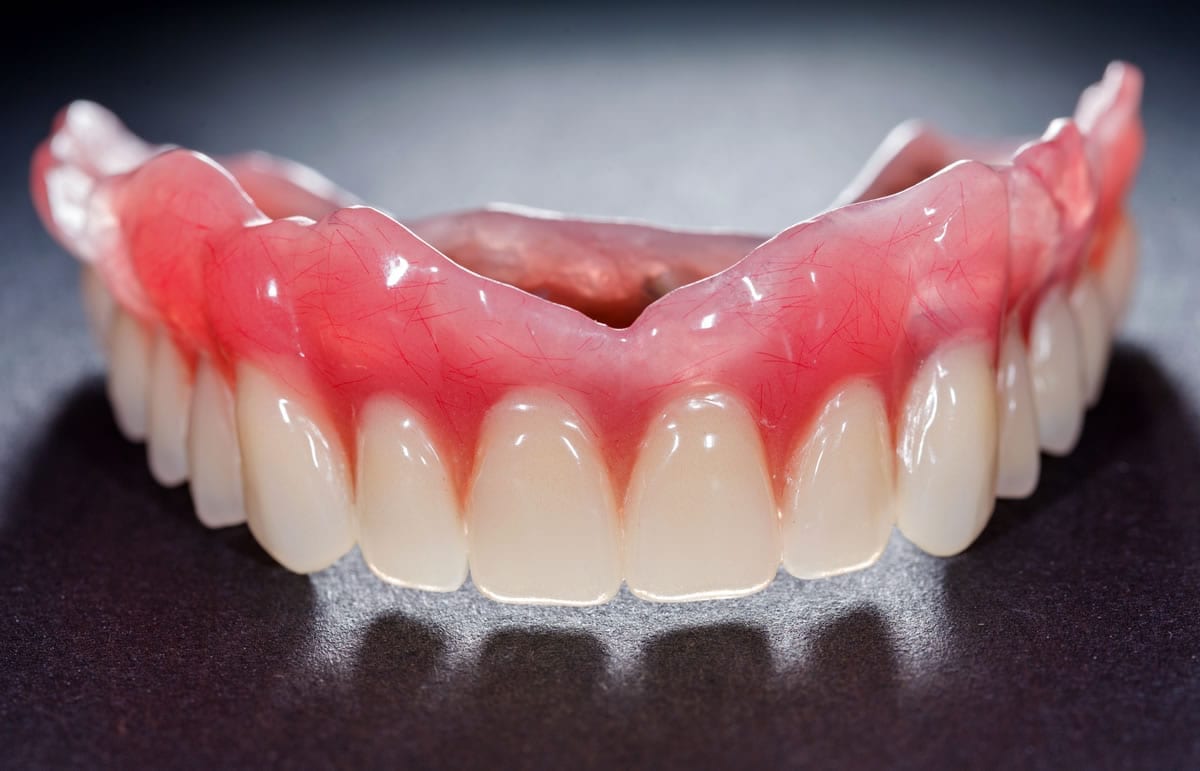
Prosthetics
Fixed and removable prostheses are materials used to replace missing teeth, meeting aesthetic and functional needs. They are divided into fixed prostheses, such as crowns and bridges, and removable prostheses. Fixed and removable prostheses can also be prepared on artificial tooth roots (implants) based on the specific case.
Read More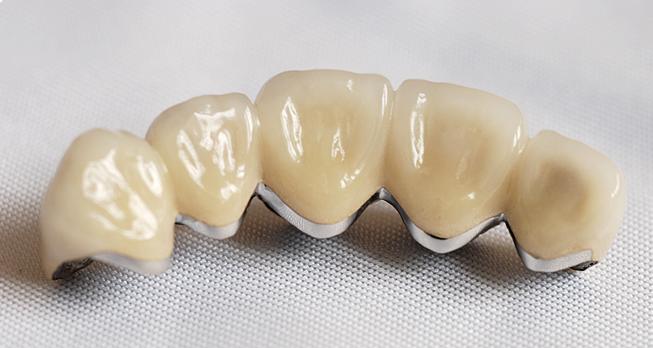
Metal-Supported Ceramic Crowns/Bridges
These crowns are applied to teeth with significantly weakened structure due to extensive decay or damage. They are used as superstructures for implants or to support teeth affected by fractures and decay.
Read More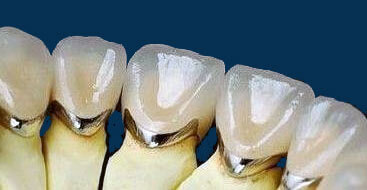
Metal-Supported Porcelain
As the name suggests, these crowns include a metal alloy beneath the porcelain during production. While durable and compatible with the tooth structure, the underlying metal affects the porcelain, creating a matte appearance and a dark line at the gum level. For this reason, metal-supported crowns are not recommended for front teeth for aesthetic purposes.
Read More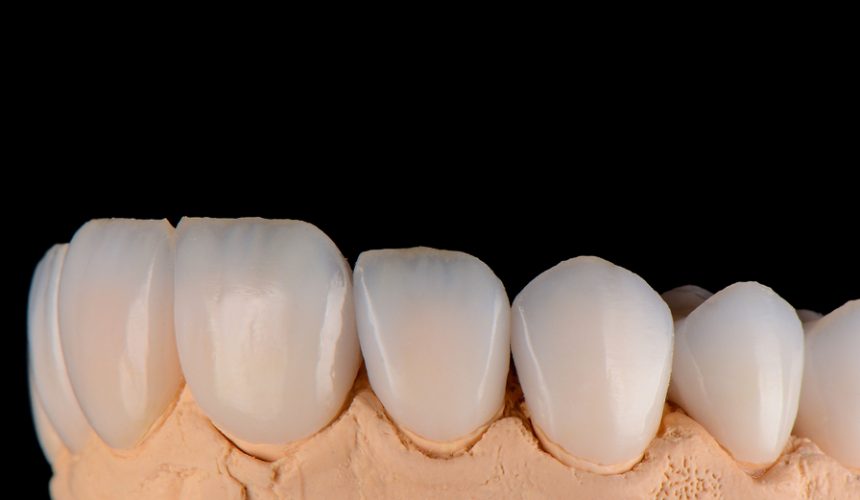
Full Porcelain Crowns
These crowns are made entirely from reinforced porcelain, without any metal or other materials in the substructure. Though more expensive than other porcelain crowns, full porcelain crowns provide the most natural-looking aesthetic appearance.
Read More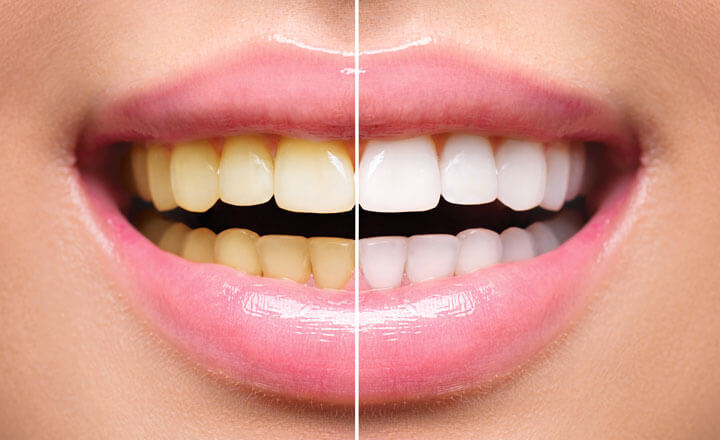
Teeth Whitening
This is an aesthetic procedure to lighten the color of teeth. Significant whitening can be achieved for teeth with dark tones, boosting the patient's confidence. A suitable technique should be chosen depending on the condition of the teeth and the progress of the case. There may be some regression after whitening, and in such cases, the procedure may need to be repeated every few years.
Read More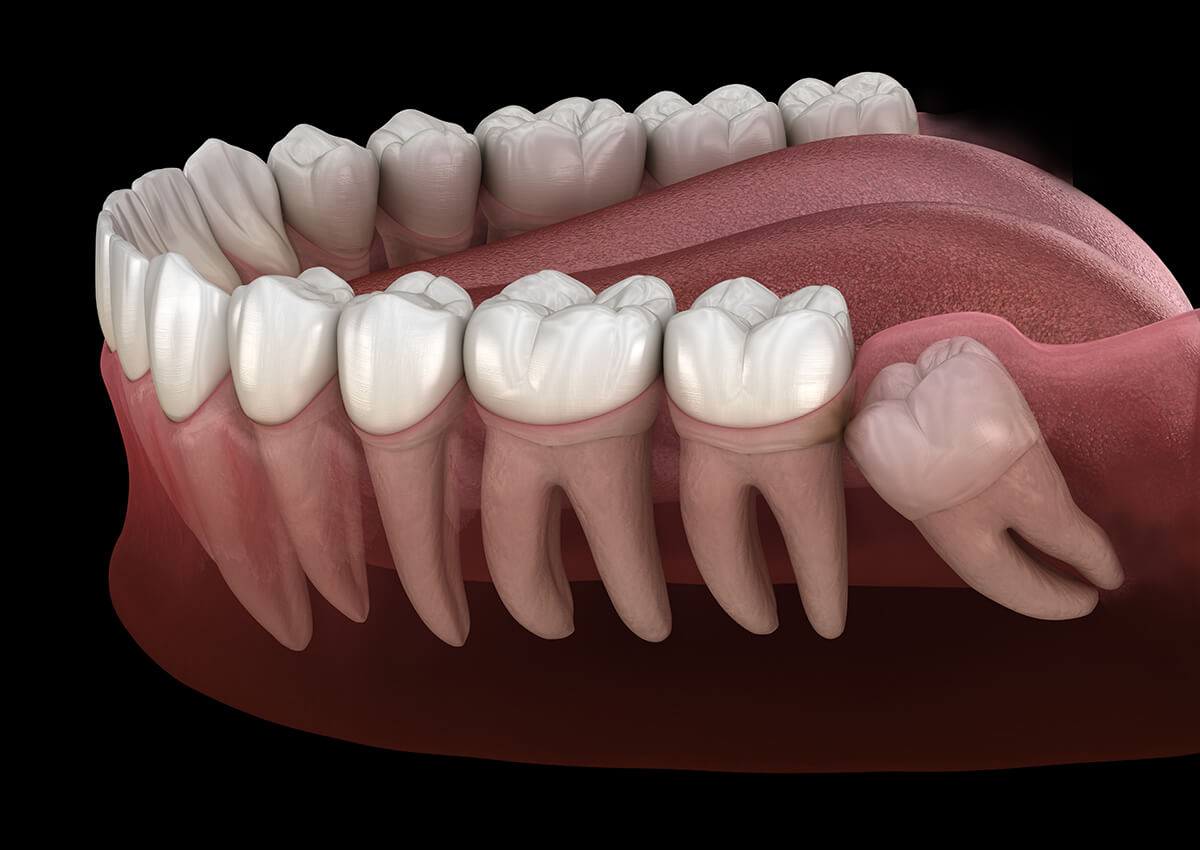
Wisdom Teeth Extraction
Wisdom teeth are the last teeth to erupt, usually in the twenties, hence their name. They are also called third molars. Some people may not have wisdom teeth at all. However, these teeth may sometimes cause eruption problems due to lack of space in the jaw or other issues, necessitating their removal.
Read More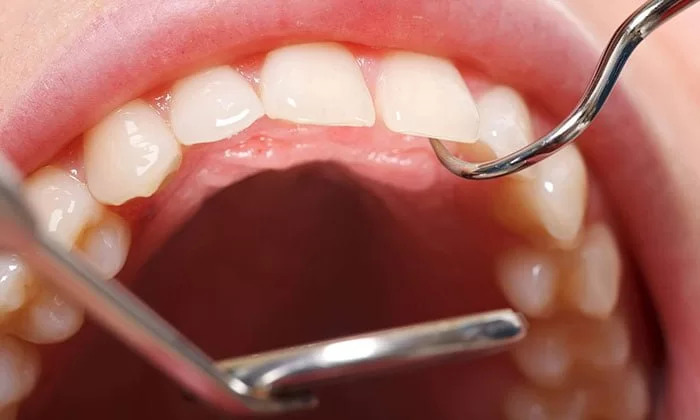
Abscess and Cyst Operations (Apical Resection)
This operation is performed to eliminate infections at the root tips of teeth, cleaning the infected root tip and surrounding tissues when root canal treatment is not possible. The primary goal of modern dentistry is to prevent tooth loss, as even a single missing tooth can negatively affect general dental health and appearance.
Read More
Dental Implant Treatment
It is now possible to treat tooth loss with prosthetics fixed to the jawbone. Artificial tooth roots made of titanium integrate with the jawbone and act as replacements for natural roots. With the preparation of the upper structure, they become ready for use, both aesthetically and functionally.
Read More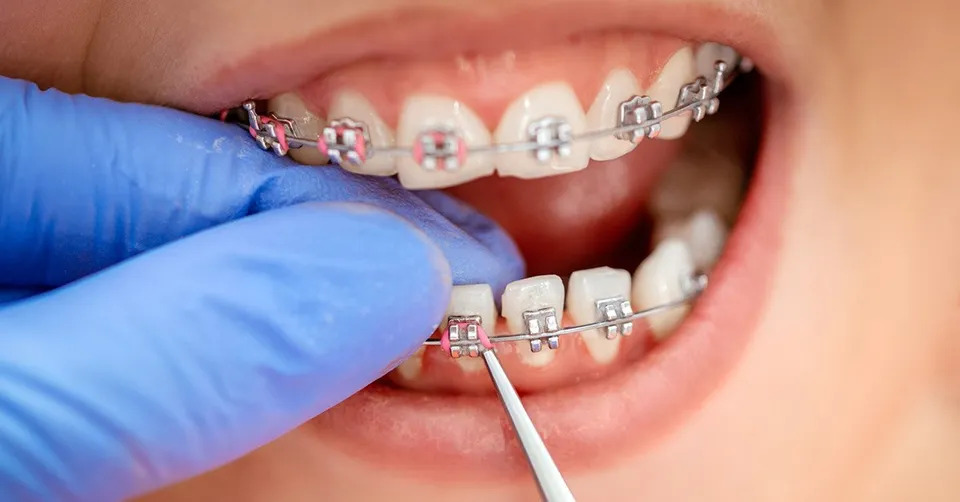
Orthodontics
Depending on the severity of the orthodontic problem, treatment may last 1-3 years. Regular appointments and communication with the dentist are important. Before starting orthodontics, any cavities in the primary or permanent teeth must be treated. Oral hygiene must be maintained by the individual, with teeth brushing before sleep and occasional use of chlorhexidine mouthwash.
Read More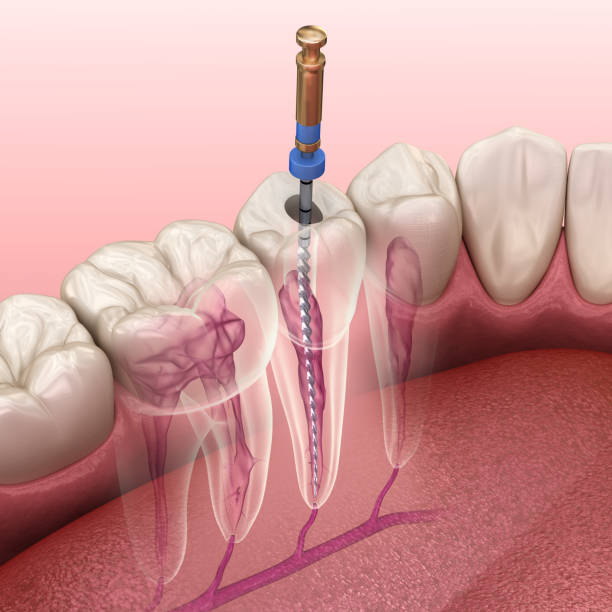
Endodontics
If a tooth is fractured or decayed due to trauma or neglect, and left untreated, microbes in the mouth can reach the pulp (the connective tissue containing blood vessels and nerves), causing infection. The inflammation begins with chemicals that cause pain, along with swelling in the tissue. As the pulp is surrounded by a rigid structure, the swelling leads to severe pain.
Read More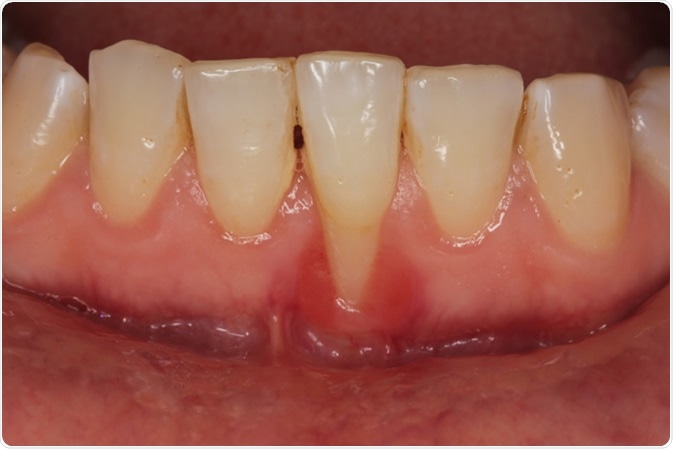
Gingivitis (Gum Inflammation)
Redness, swelling, and a shiny appearance of the gums indicate inflammation. There may be sores, bleeding, and pain in the gums. Patients often think multiple teeth are aching due to inflamed gums. Treatment includes professional cleaning by the dentist and training the patient in regular brushing and flossing. Additional treatments like medication or mouthwash may be required, and gum correction can be performed surgically under anesthesia if needed.
Read More
Periodontitis (Advanced Gum Disease)
If gingivitis is left untreated and the patient does not develop brushing and flossing habits, the infection can progress to periodontitis, leading to tooth loss in many cases. This results in the destruction of the supporting tissues around the tooth, including the jawbone, causing the teeth to become loose and eventually fall out. The progression rate varies among individuals.
Read More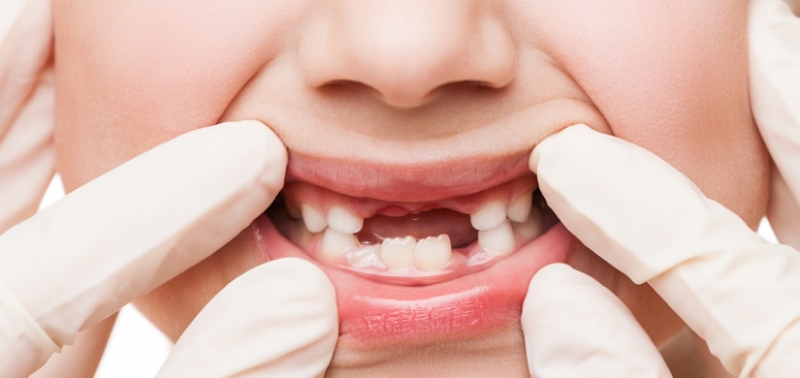
Pedodontics
This branch of dentistry addresses all treatment and preventive measures related to oral and dental health problems in infants and children. The primary goal of pedodontics is to help children become accustomed to dental visits and build a positive relationship with their dentist for future care.
Read More